
Iron Infusions 101: Signs You May Be Low in Iron and How Treatment Works
Feeling constantly tired, short of breath, or unable to concentrate can have many causes, but one of the most common and most overlooked is iron deficiency. At Supernova Medical Centre, iron infusions are one of our private procedures, offering a fast and effective way to restore iron levels when other approaches haven’t worked. Here’s what you need to know.
Why Iron Matters
Iron plays a central role in producing haemoglobin, the protein in red blood cells responsible for carrying oxygen around your body. When iron levels drop too low, your body struggles to produce enough healthy red blood cells, a condition known as iron deficiency, which can progress to iron deficiency anaemia if left untreated.
Because oxygen delivery affects nearly every system in your body, low iron doesn’t just cause one or two symptoms. It can affect your energy, your concentration, your immune function, and even your heart rate over time.
Common Signs You May Be Low in Iron
Iron deficiency can develop gradually, which means many people adjust to feeling unwell without realising something is wrong. Signs to watch for include:
- Persistent fatigue or low energy, even after adequate sleep
- Shortness of breath during activities that didn’t used to affect you
- Pale skin, particularly noticeable in the face or inner eyelids
- Dizziness or light-headedness
- Difficulty concentrating or “brain fog”
- Unusual cravings for non-food items, such as ice (a lesser-known but recognised symptom)
- Brittle nails or hair thinning
- A rapid or irregular heartbeat in more significant cases
These symptoms overlap with many other conditions, which is exactly why a proper diagnosis through blood testing, rather than guesswork, matters.
Who Is Most at Risk?
While anyone can develop iron deficiency, some groups are more commonly affected, including:
- People who menstruate, particularly those with heavy periods
- Pregnant individuals, due to increased iron demands
- People following vegetarian or vegan diets without adequate iron intake or absorption
- People with chronic gastrointestinal conditions that affect iron absorption
- Those with chronic diseases that contribute to ongoing blood loss or reduced absorption
- Athletes, particularly those in endurance sports
If you fall into one of these categories and you’re experiencing the symptoms above, it’s worth raising this with your GP rather than assuming it’s just normal fatigue.
How Iron Deficiency Is Diagnosed
Diagnosis starts with a simple blood test, which measures your haemoglobin and ferritin (your body’s iron stores) levels. Because Supernova has on-site pathology through Dorevitch, this process is straightforward: your GP can order the test, and results are typically available without needing to travel elsewhere for collection.
Based on your results, your GP will determine the most appropriate treatment path.
Iron Tablets vs. Iron Infusions
For mild deficiency, oral iron supplements are often the first line of treatment. However, these come with limitations:
- They can cause gastrointestinal side effects like constipation or nausea
- Absorption through the gut is often slow, meaning it can take months to restore iron levels
- Some people simply don’t absorb oral iron effectively due to underlying gut conditions
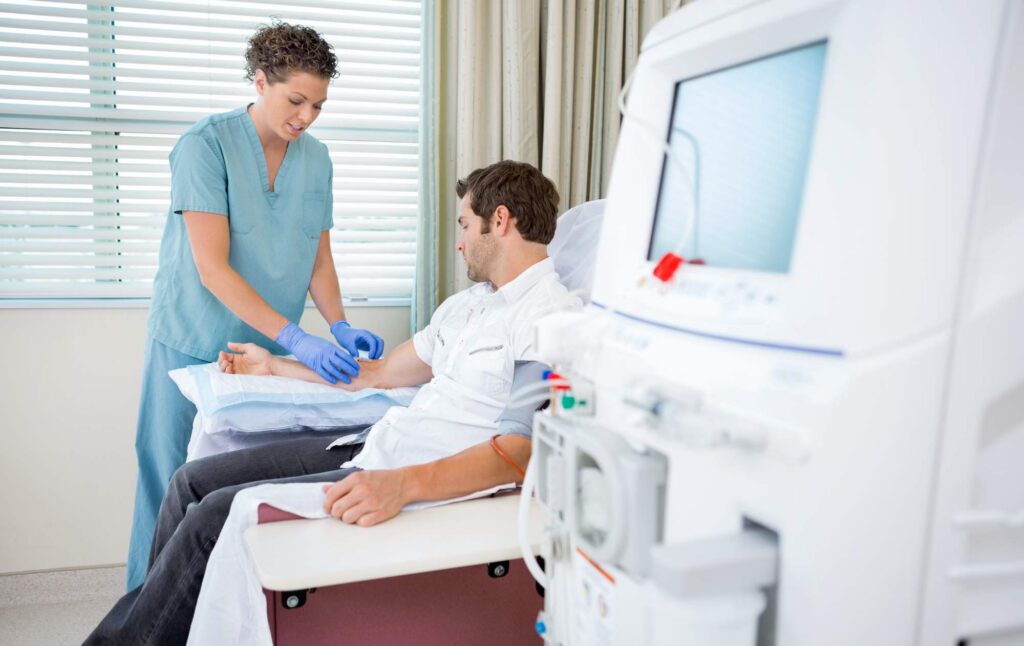
This is where an iron infusion becomes a more practical option. An iron infusion delivers iron directly into your bloodstream through an IV, bypassing the digestive system entirely. This means:
- Iron levels can be restored significantly faster than with tablets
- It avoids the gastrointestinal side effects associated with oral supplements
- It’s particularly useful for people with more significant deficiency, malabsorption issues, or those who haven’t responded well to oral iron
What to Expect During an Iron Infusion
An iron infusion at Supernova is a straightforward, in-clinic procedure:
- Assessment — your GP will confirm the infusion is appropriate based on your blood test results and medical history
- The infusion itself — administered via a small IV line, typically taking somewhere between 15 minutes to an hour depending on the type and dose used
- Monitoring — you’ll be observed during and shortly after the infusion to check for any reaction
- Aftercare advice — including what symptoms are normal (like mild soreness at the injection site) and what would warrant contacting the clinic
Most people can return to normal activities on the same day, though your doctor may advise against strenuous exercise immediately afterward.
Are There Any Risks?
Iron infusions are generally well tolerated, but as with any medical procedure, there can be side effects, ranging from mild reactions like headache or nausea to rarer, more significant allergic responses. This is why infusions are administered in a clinical setting, where your doctor can monitor you and respond immediately if needed, rather than as a take-home treatment.
Booking an Iron Infusion at Supernova
If you’re experiencing ongoing fatigue, breathlessness, or other symptoms that align with iron deficiency, the first step is a conversation with your GP and a simple blood test. If an infusion is the right path for you, our on-site pathology and in-house procedures mean the whole process, from diagnosis to treatment, can happen without being sent elsewhere.
To book a consultation, call Supernova Medical Centre on 03 8866 5544 or book online for the next available appointment. Persistent fatigue isn’t something you have to just live with, and finding out what’s behind it is often simpler than people expect.