
Medical assessments for your aviation responsibilities.
Aviation medical assessments help evaluate whether pilots, air traffic controllers and other aviation personnel meet the relevant medical standards associated with their duties. Depending on the type of assessment, this may involve reviewing medical history, vision, hearing, cardiovascular health and other clinical factors.
At Supernova Medical Centre, our medical practitioners can provide medical consultations and assessments relevant to aviation health requirements. Where a formal CASA aviation medical examination is required, the assessment must be completed through an appropriately authorised medical examiner.
Whether you are preparing for an initial assessment, reviewing an existing medical condition or seeking guidance about certification requirements, our team can help you understand the appropriate next steps.
Aviation Health Assessments
Medical consultations addressing health conditions and clinical factors that may be relevant to aviation duties.
Medical Standards & Requirements
Guidance on the medical assessment process and relevant requirements for different aviation roles.
Medical Reports & Follow-Up
Clinical investigations, medical information and follow-up care where appropriate to support aviation-related health assessments.

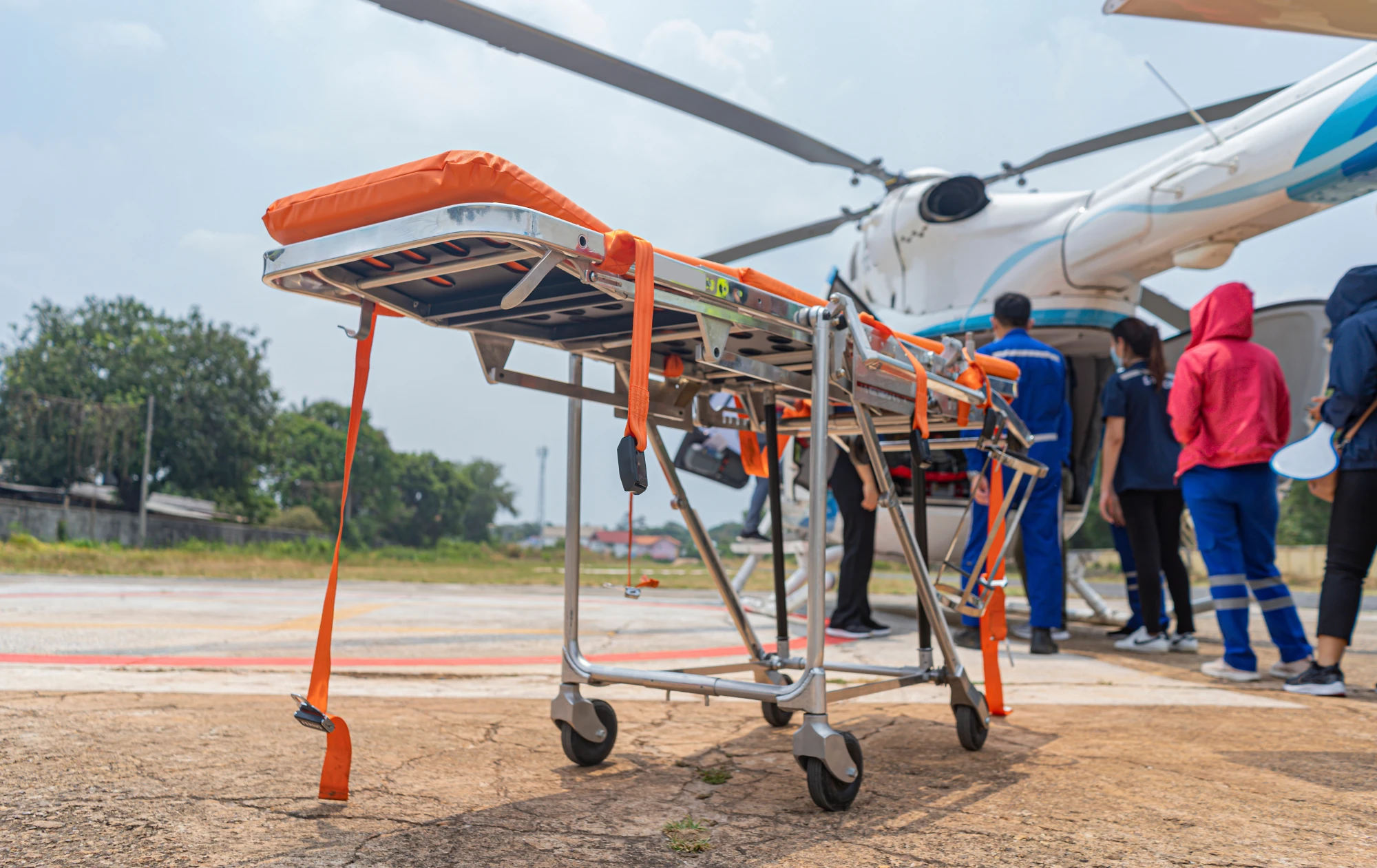
Medical assessments supporting aviation health requirements.
Aviation medical requirements vary according to the applicant’s role, licence category and individual medical circumstances. The assessments and investigations required depend on the applicable standards and the examining practitioner’s findings.
Pilot Medical Consultations
CASA Medical Requirements Guidance
Vision & Hearing Assessment
Cardiovascular Health Assessment
Medical History & Risk Review
Aviation-Related Health Investigations
Medical Reports & Documentation
Ongoing Health Management
Meet the healthcare professionals involved in your care.






Medical care that considers your aviation requirements.
Aviation medical assessments involve reviewing health information against the requirements relevant to your aviation role. Our approach focuses on appropriate clinical assessment, clear communication and follow-up where necessary.
Individual Medical Review
Assessment of your medical history, current health concerns and relevant clinical factors.
Relevant Health Investigations
Vision, hearing, cardiovascular and other assessments may be required depending on your circumstances.
Medical Documentation
Clinical reports and relevant medical information to support further assessment where appropriate.
Ongoing Health Support
Follow-up consultations and management of health conditions that may affect your aviation medical assessment.
What to expect during your cardiac assessment.
From booking your appointment to ongoing support, we make every step of your healthcare journey simple, personalised, and convenient.
1
Confirm Your Requirements
Contact our team to discuss your aviation role, the type of medical assessment required and whether an appropriately authorised examiner is available.
3
Complete Your Medical Assessment
Your practitioner reviews your medical history and conducts the relevant examination. Additional investigations, such as vision, hearing or cardiovascular testing, may be required depending on the applicable standards.
2
Prepare for Your Appointment
Gather relevant medical records, current medications, identification and any documentation required for your assessment. CASA applicants may also need to complete the relevant online application process.
3
Receive Personalised Care
Following a thorough assessment, we'll recommend a tailored treatment plan designed to support your health, recovery, and long-term wellbeing.
4
Review & Next Steps
Your practitioner explains any relevant findings and whether additional information, investigations or specialist assessment is required. Formal certification decisions are made through the applicable CASA process.
Everything you need to know before your visit
An aviation medical examination assesses a person’s health against medical standards relevant to their aviation duties. Depending on the certification category, it may involve reviewing medical history, vision, hearing, cardiovascular health and other clinical factors.
Medical certification requirements depend on the aviation licence and activities involved. Commercial pilots, private pilots, recreational pilots and air traffic controllers may require different classes of medical certification. Some aviation activities have alternative medical eligibility pathways.
Class 1 medical certificates are generally associated with commercial and air transport pilot privileges. Class 2 certificates apply to many private and recreational pilot activities, while Class 3 certificates are required for air traffic control duties. Specific requirements and permitted activities depend on CASA regulations.
A DAME is a medical practitioner designated by CASA to conduct aviation medical examinations. The scope of an examiner’s authority depends on their designation. Some authorised examiners can issue certain medical certificates when the applicable criteria are met.
No. Formal CASA medical certification involves authorised examiners and CASA’s applicable assessment and certification processes. A general practitioner who is not appropriately authorised may still assist with relevant medical assessments, investigations and reports.
Bring photographic identification, relevant medical records, a list of current medications, glasses or contact lenses if worn, and any documentation requested for your assessment. CASA applicants should follow the current application instructions before attending.
The investigations required depend on your certificate class, age, medical history and clinical findings. Some applicants require an ECG, audiogram, eye examination or other investigations as part of the assessment process.
Validity depends on the certificate class, age and individual circumstances. Class 1 certificates are generally valid for one year. Class 2 certificates are generally valid for two or four years depending on age, while Class 3 certificates are generally valid for two years. CASA may specify a different validity period in individual cases.
Having a medical condition does not automatically prevent certification. The assessment depends on the condition, its management, the applicable medical standards and the aviation duties involved. CASA may require additional information or impose conditions where appropriate.
Please contact reception to confirm whether a CASA-designated aviation medical examiner is available at Supernova and which examination categories can be undertaken. General medical consultations and supporting investigations are not equivalent to formal CASA certification.
Medical examinations undertaken primarily for occupational or licensing purposes are generally not eligible for Medicare benefits. Consultation fees, additional investigation costs and CASA processing fees may apply. Confirm the applicable charges before your appointment.
Processing times depend on the certificate class, examination findings, required investigations and whether CASA needs additional information. Some authorised examiners may issue eligible certificates during the appointment, while other applications require further assessment.

Here When You Need Us
Preparing for an aviation medical? Discuss your requirements.
Contact Supernova Medical Centre to enquire about aviation-related medical assessments, appointment arrangements and any documentation required before your visit.