

About Our Cardiac Monitoring
Understanding your heart health beyond a single reading.Some changes in heart rhythm or blood pressure may not be apparent during a routine consultation. Continuous monitoring can provide additional information about how your heart functions throughout the day and, in some cases, overnight.
Holter monitoring records the electrical activity of your heart over a prescribed period, commonly 24–48 hours. Ambulatory blood pressure monitoring measures your blood pressure at regular intervals, typically over 24 hours, while you carry out your usual daily activities.
These investigations can help your healthcare practitioner assess symptoms, investigate abnormal readings and determine whether further care is needed.
Continuous Heart Rhythm Monitoring
A Holter monitor records your heart’s electrical activity over time, helping identify rhythm changes that may not appear during a standard ECG.
24-Hour Blood Pressure Assessment
Ambulatory blood pressure monitoring measures blood pressure during daytime activities and sleep, providing information about changes across a full day.
Results & Clinical Follow-Up
Your monitoring results can help your practitioner assess your cardiovascular health and discuss appropriate next steps.
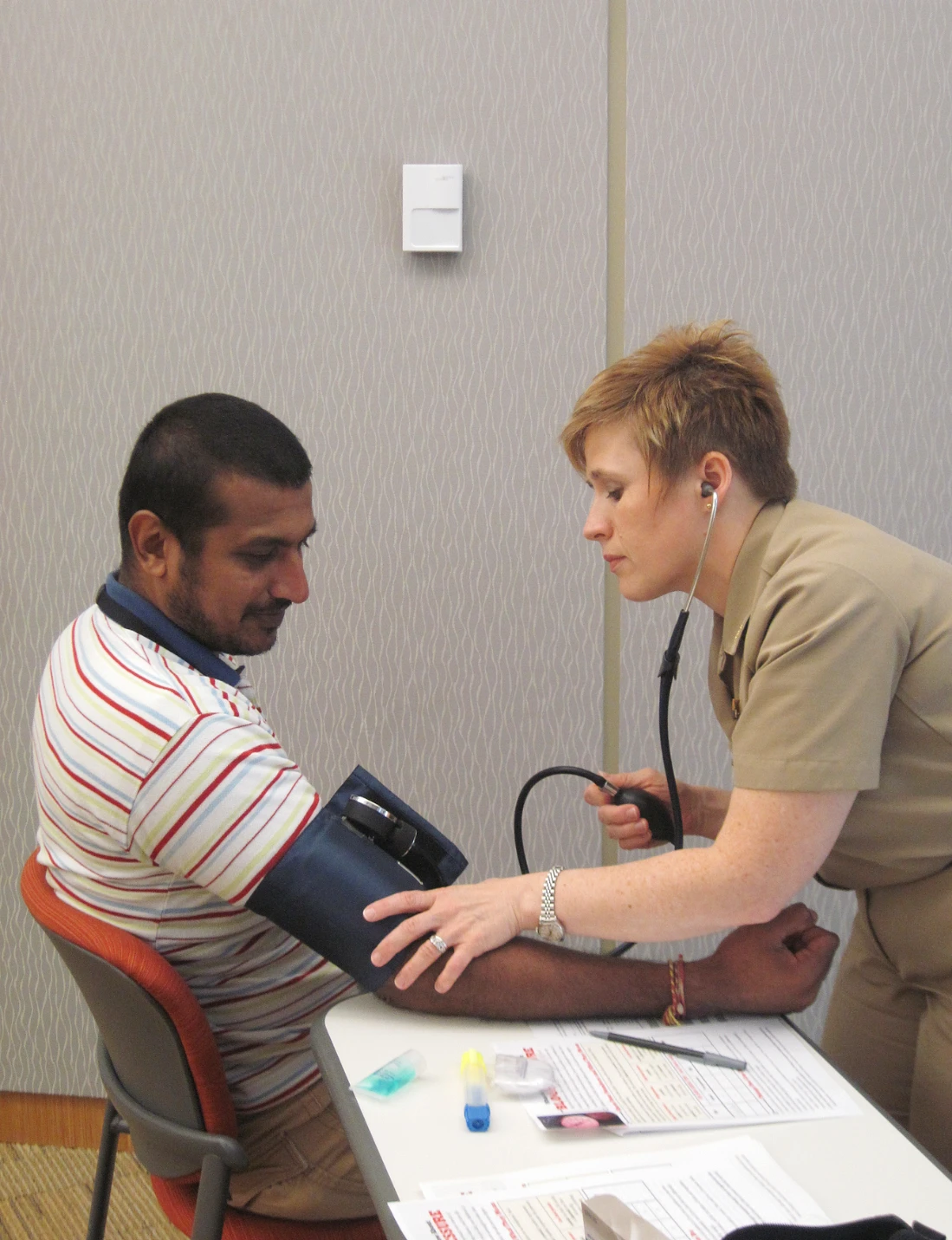
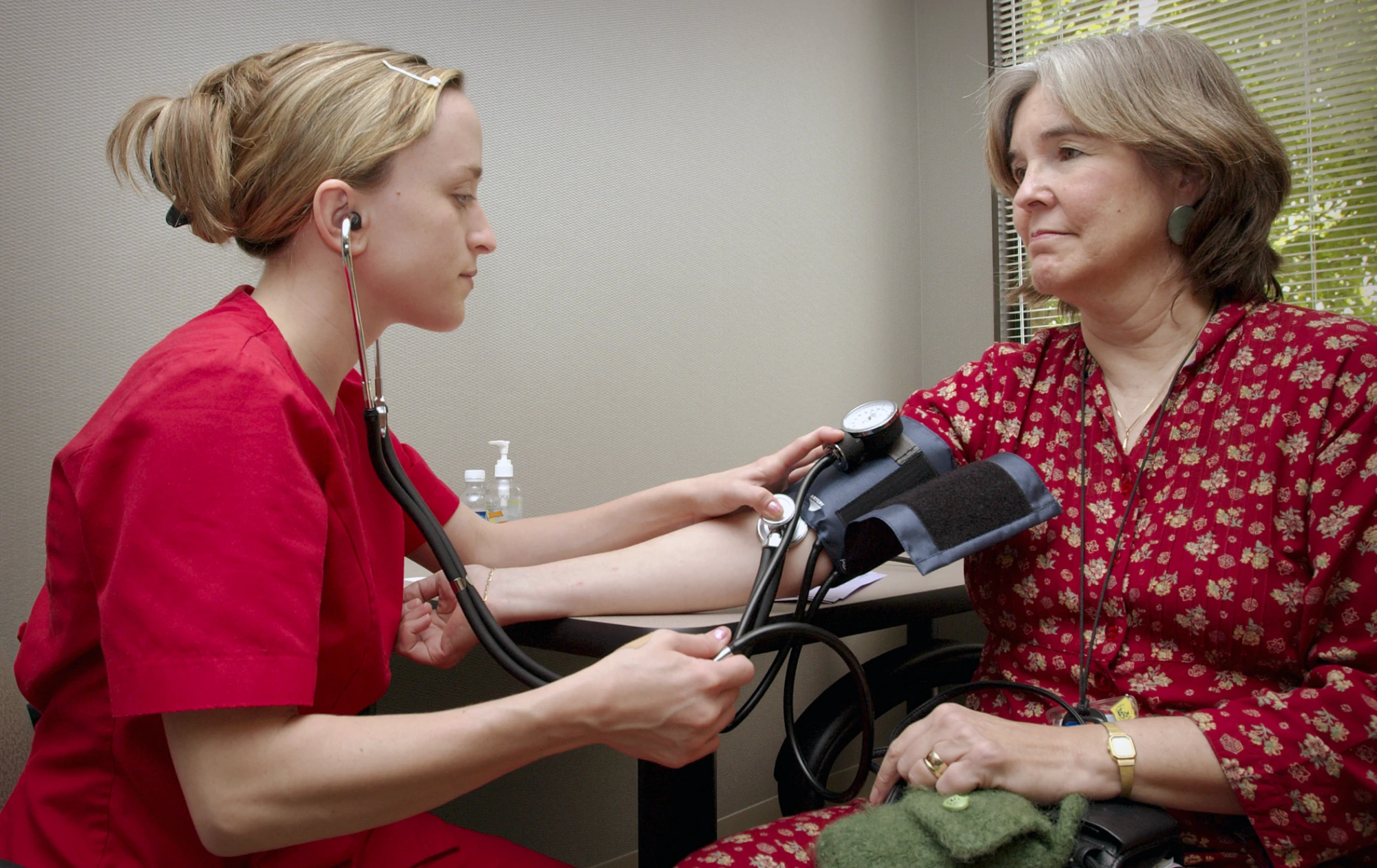
Monitoring your heart and blood pressure throughout the day.
Holter and ambulatory blood pressure monitoring are used to investigate different aspects of cardiovascular health. Your practitioner will determine which investigation is appropriate based on your symptoms, medical history and clinical needs.
24-Hour Holter Monitoring
24-Hour Blood Pressure Monitoring
Heart Rhythm Assessment
Palpitations Investigation
Irregular Heartbeat Assessment
Hypertension Assessment
Daytime & Night-Time BP Patterns
Monitoring Results & Follow-Up
Meet the healthcare professionals involved in your care.






A considered approach to cardiovascular monitoring.
Heart rhythm and blood pressure measurements can vary throughout the day. Monitoring over an extended period can provide information that supports clinical assessment and ongoing management.
Individual Assessment
Monitoring is considered according to your symptoms, medical history and individual cardiovascular needs.
Extended Monitoring
Portable devices record heart rhythm or blood pressure measurements during normal daily activities.
Clinical Interpretation
Recorded information can assist your practitioner in evaluating symptoms and identifying relevant changes.
Ongoing Follow-Up
Your results can inform decisions about further investigations, treatment or continued cardiovascular monitoring.
What to expect during your cardiac assessment.
From booking your appointment to ongoing support, we make every step of your healthcare journey simple, personalised, and convenient.
1
Book Your Appointment
Contact our team to discuss Holter or 24-hour blood pressure monitoring, including referral requirements and appointment availability.
3
Complete Your Monitoring Period
Continue your usual activities as instructed while the device records your heart rhythm or blood pressure. Follow the guidance provided about sleeping, bathing and caring for the equipment.
2
Device Fitting & Instructions
The monitoring device is fitted by an appropriate healthcare professional. You will receive instructions about wearing the device, daily activities and any information you may need to record.
3
Receive Personalised Care
Following a thorough assessment, we'll recommend a tailored treatment plan designed to support your health, recovery, and long-term wellbeing.
4
Results & Follow-Up
Once monitoring is complete, the recorded information is assessed and a report is prepared. Your referring practitioner can review the findings and discuss any recommended next steps.
Everything you need to know before your visit
A Holter monitor continuously records your heart’s electrical activity to assess its rhythm. A 24-hour ambulatory blood pressure monitor measures your blood pressure at regular intervals throughout the day and night. The two investigations assess different aspects of cardiovascular health.
Holter monitoring may be recommended to investigate symptoms such as palpitations, an irregular heartbeat, dizziness or episodes of unexplained fainting. It can help identify certain heart rhythm changes that may not be captured during a routine ECG.
Ambulatory blood pressure monitoring involves wearing a portable device that automatically measures your blood pressure at regular intervals over approximately 24 hours. It provides information about blood pressure changes during daily activities and sleep.
Referral requirements depend on the investigation and provider. A referral may be required for Medicare-funded testing. Please contact reception to confirm the requirements before arranging an appointment.
Most patients can continue many of their usual daily activities while wearing a monitor. However, you may need to avoid swimming, showering or activities that could damage the equipment. Your healthcare professional will provide specific instructions.
Holter monitoring is generally well tolerated, although the adhesive electrodes may occasionally cause skin irritation. A blood pressure monitor may cause temporary discomfort when the cuff inflates. Inform your healthcare professional if you experience significant discomfort.
Yes. Both types of monitoring are designed to collect information during normal daily activities and sleep. Your healthcare professional will explain how to position and care for the device overnight.
A Holter monitor is commonly worn for 24–48 hours, although longer monitoring periods may be recommended. Ambulatory blood pressure monitoring usually lasts approximately 24 hours. Your practitioner will advise you about the required duration.
Medicare rebates may be available for eligible investigations when applicable clinical, referral and billing requirements are met. Out-of-pocket fees may apply. Please confirm the cost of your investigation before booking.
After the monitoring period, the recorded information is downloaded and assessed by an appropriately qualified clinician. A report is generally provided to your referring practitioner, who can discuss the findings and any recommended follow-up care.

Here When You Need Us
Have questions about your heart health?
Contact Supernova Medical Centre to enquire about Holter monitoring, 24-hour blood pressure monitoring, referral requirements and appointment arrangements.