

About Echocardiograms
A closer look at your heart’s structure and function.An echocardiogram, commonly known as an Echo, is an ultrasound examination used to assess the structure and function of the heart. It uses sound waves to produce moving images of the heart, allowing healthcare professionals to examine its chambers, valves, walls and pumping activity.
Your doctor may recommend an echocardiogram to investigate symptoms such as breathlessness, assess a heart murmur or monitor certain existing heart conditions.
The information obtained can help your referring practitioner understand how your heart is functioning and determine whether further investigation, treatment or monitoring is appropriate.
Heart Structure Assessment
Ultrasound images provide information about the heart’s chambers, walls and valves to help identify structural abnormalities.
Heart Function Evaluation
An echocardiogram can assess how effectively the heart pumps blood and how its valves function during each heartbeat.
Clinical Review & Follow-Up
Your referring practitioner can review the findings, explain their significance and discuss any recommended next steps.
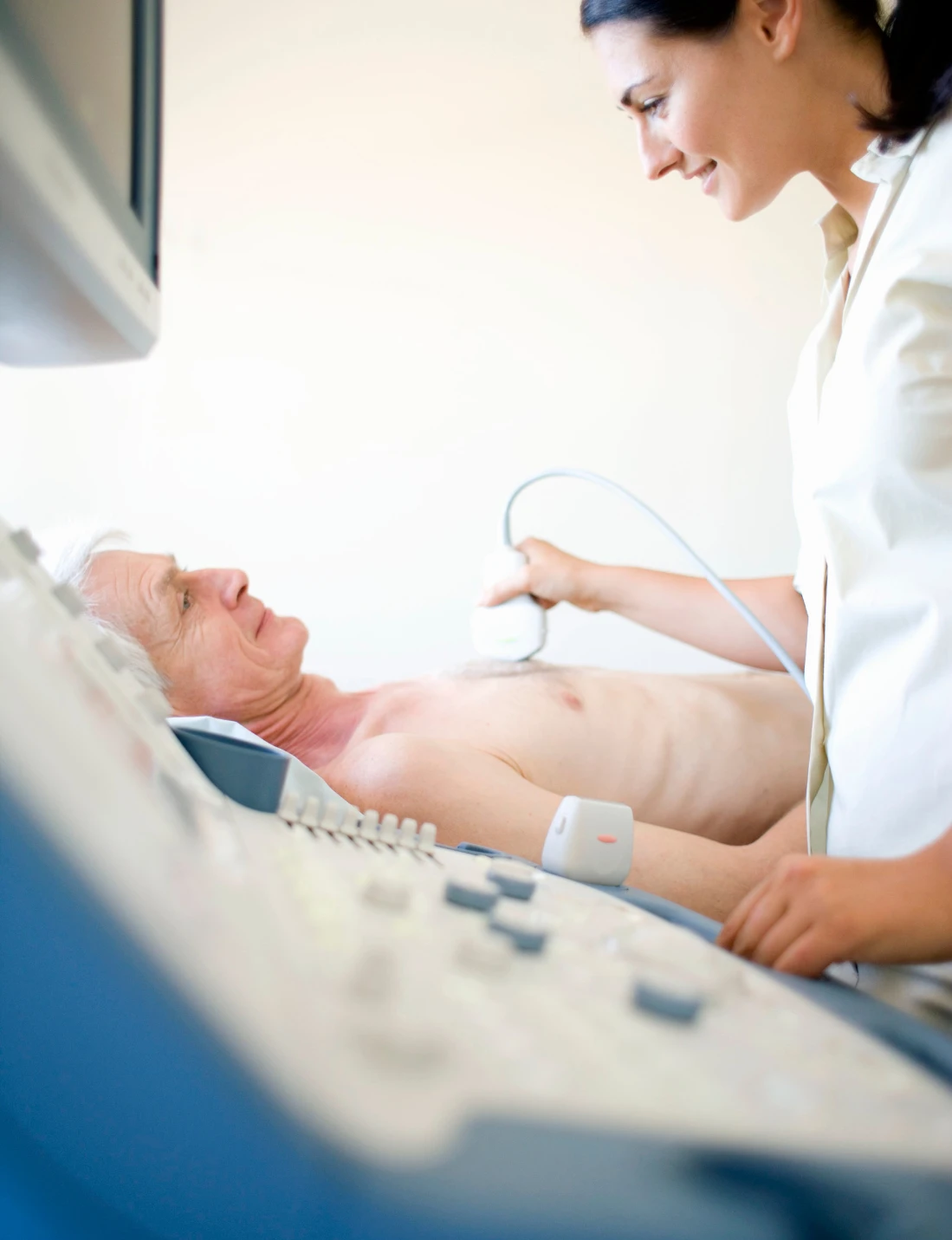

Understanding different aspects of your heart’s health.
An echocardiogram provides information about several aspects of cardiac structure and function. The areas examined depend on the clinical indication and the type of examination requested.
Echocardiogram (Echo)
Heart Wall Thickness Assessment
Heart Valve Assessment
Heart Wall Motion Assessment
Heart Chamber Assessment
Blood Flow Assessment
Heart Pumping Function
Echo Results & Follow-Up
Meet the healthcare professionals involved in your care.






Helping you understand your heart health.
An echocardiogram provides clinical information that can assist in investigating symptoms and monitoring certain cardiovascular conditions. Appropriate assessment and follow-up help place these findings in the context of your overall health.
Individual Assessment
Your symptoms, medical history and clinical findings are considered when determining whether an echocardiogram is appropriate.
Ultrasound Investigation
Echocardiography provides moving images of the heart’s chambers, valves and pumping activity without using ionising radiation.
Results & Explanation
Your referring practitioner can explain the findings and discuss what they may mean for your cardiovascular health.
Ongoing Heart Care
Further investigations, specialist referrals or monitoring may be recommended depending on your results and medical needs.
What to expect during your echocardiogram.
From arranging your appointment to reviewing the findings, understanding each stage can help you prepare for your examination.
1
Arrange Your Appointment
Contact our team to enquire about echocardiogram appointments, referral requirements and applicable fees.
3
Undergo Your Echocardiogram
The examination findings are reported to your referring practitioner, who can explain the results and discuss any further care required.
2
Prepare for Your Examination
You may be asked to wear comfortable clothing and remove clothing from your upper body for the examination. Specific preparation instructions will be provided if needed.
3
Receive Personalised Care
Following a thorough assessment, we'll recommend a tailored treatment plan designed to support your health, recovery, and long-term wellbeing.
4
Review Your Results
The investigation findings are provided to your referring practitioner, who can discuss the results and determine whether further care is required.
Everything you need to know before your visit
An echocardiogram is an ultrasound examination that produces moving images of the heart. It helps healthcare professionals assess the heart’s chambers, valves, walls and pumping function.
An echocardiogram may be recommended to investigate breathlessness, heart murmurs, suspected structural abnormalities or certain existing cardiovascular conditions.
An Echo can identify findings such as abnormalities in heart valve function, changes in heart chamber size, reduced pumping function and some structural heart conditions. The findings must be interpreted alongside your symptoms and other clinical information.
An echocardiogram is generally well tolerated. You may feel some pressure from the ultrasound probe against your chest, but the examination does not usually cause significant discomfort.
A standard transthoracic echocardiogram commonly takes around 30–60 minutes, although the duration varies depending on the examination and individual circumstances.
Most standard echocardiograms require little preparation. You can generally eat, drink and take your usual medications unless your healthcare practitioner provides different instructions.
No. Echocardiography uses ultrasound rather than ionising radiation to produce images of the heart.
A referral is generally required for Medicare-funded diagnostic echocardiography. Your healthcare practitioner can determine whether the examination is appropriate and provide a referral when indicated.
Medicare rebates may be available when relevant eligibility, referral and clinical criteria are met. Out-of-pocket costs depend on the provider and billing arrangements.
The imaging provider generally sends a report to your referring practitioner. Reporting times vary, and your practitioner can arrange a follow-up consultation to discuss the findings.

Here When You Need Us
Have concerns about your heart health?
Speak with our medical team about your symptoms, cardiovascular health and whether an echocardiogram may be appropriate.